
eDNA is changing the way the world monitors biodiversity

Environmental DNA (eDNA) can be broadly defined as DNA extracted from bulk environmental samples—not from individual specimens—such as soil, water, or air. This DNA may come from the organisms themselves, including microscopic taxa such as bacteria, fungi, and diatoms, or from shed cells, reproductive propagules, or other materials released from larger organisms. eDNA can be extracted from water, sediment, or air samples, but can also be derived from mixed assemblages such as Malaise traps and kick-net samples.

There are a host of methods that take advantage of eDNA. Targeted detection via the polymerase chain reaction (PCR) uses species-specific primers to detect the presence of key species of concern. Typically, these approaches adopt tools, including quantitative PCR (qPCR) and droplet digital PCR (ddPCR) that quantify the amount of target eDNA in a sample.

In contrast, eDNA metabarcoding uses primers designed to capture a broad subset of the diversity present in a sample. eDNA amplified using these primers is then subjected to high-throughput sequencing and those sequences are compared to reference databases to associate them with known taxa. This approach involves both laboratory methods and complex bioinformatics analysis to generate data useful for decision-makers.

These are the two primary methods currently employed in eDNA monitoring contexts, and while there are others in use or development—e.g. metagenomics, capture hybridization, tools utilizing eRNA, etc.—they are the subject of most existing standards development. iESTF aims to unite the global scientific community to develop standards for all these methods as they mature and exhibit their utility in management and decision-making contexts.

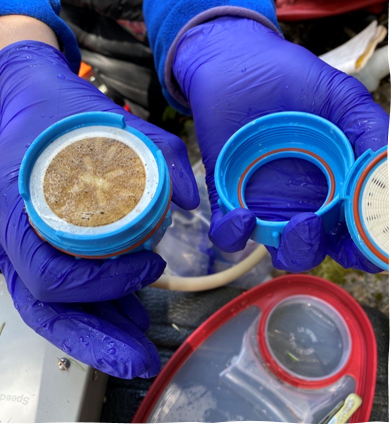
A water sample filter held by a researcher wearing protective gloves

Establishing standards across complex workflows

eDNA methods involve complex workflows that must address protocols related to sampling and sample preservation, laboratory analysis, bioinformatics, and data interpretation. iESTF aims to address every aspect of eDNA workflows, although individual standards are likely to target only a subset of methodological issues.

  1. 01

    Field sampling

    • Sampling protocols
    • Contamination control
    • Replicate design
  2. 02

    Sample preservation & transport

    • Preservation method
    • Cold chain management
  3. 03

    DNA extraction

    • Extraction kits and protocols
    • Negative and positive controls
  4. 04

    PCR amplification & library preparation

    • Marker and primer choice
    • PCR conditions
    • Library preparation QC
  5. 05

    Sequencing

    • Sequencing platform QC
    • Read-depth requirements
  6. 06

    Bioinformatics processing

    • Quality filtering
    • OTU/ASV clustering
    • Reference databases
  7. 07

    Taxonomic assignment

    • Database accuracy
    • Taxonomic resolution thresholds
  8. 08

    Data interpretation & reporting

    • Reporting standards
    • Uncertainty quantification

eDNA methods continue to evolve and improve, and the variety of available protocols can be daunting. Novel ways to sample eDNA in the field are readily available, with kits for substrates including feces, soil, water, and plant or animal tissue, while new methods such as passive and surface sampling continue to be developed. In the laboratory, automation is increasingly used to improve throughput, and companies providing molecular biology and sequencing solutions are becoming increasingly common. Technology also rapidly changes, with sequencing platforms available now that produce very long sequences (PacBio), massive amounts of shorter sequences (such as Illumina NovaSeq), or portable analysis (Oxford Nanopore), with new platforms coming on line every year.

The reproducibility and robustness of tools used to process DNA metabarcoding and metagenomic datasets can be facilitated through versioned bioinformatics pipelines. Quality control of sequence reads, reduction of noise from technical artefacts, and taxonomic assignment can be controlled by applying current bioinformatics tools. Reference sequence databases—from local to globally representative or substrate-specific sets—and their completeness and accuracy affect the reliability of resulting taxonomic assignments. This area is developing rapidly as sequencing platforms, chemistry, clustering algorithms, feature-identification methods, and taxonomic-assignment approaches continue to advance.

iESTF does not advocate a “one standard to rule them all” approach. Rather, we seek flexible minimal standards that allow end-users to trust eDNA data without “locking in” protocols and workflows based on currently available technology and scientific knowledge. It is a challenging balance, one that requires input from a global community spanning multiple disciplines.

Examples of monitoring applications

From target detection to whole-community assessment

Invasive species monitoring

Invasive species

Detection of invasive species often requires highly sensitive methods to capture eDNA signal from low density populations (e.g newly established or at an expanding invasion front). Currently, qPCR remains the main tool used used in this context, given its high sensitivity. Because of that sensitivity, it is important to develop validated assay with appropriate controls, and interpretation depends on factors such as assay detection limits and the effects of inhibition.

The use of DNA metabarcoding to survey broadly for invasive species has been growing in popularity, as many sequencing platforms achieve depths of sequencing that can approach or even exceed the sensitivity of targeted methods. These tools bring additional requirements for standardized bioinformatics tools and assessments of confidence in taxonomic assignments. Future approaches may involve capture hybridization panels or other methods that target suites of invasive species.
Freshwater biomonitoring

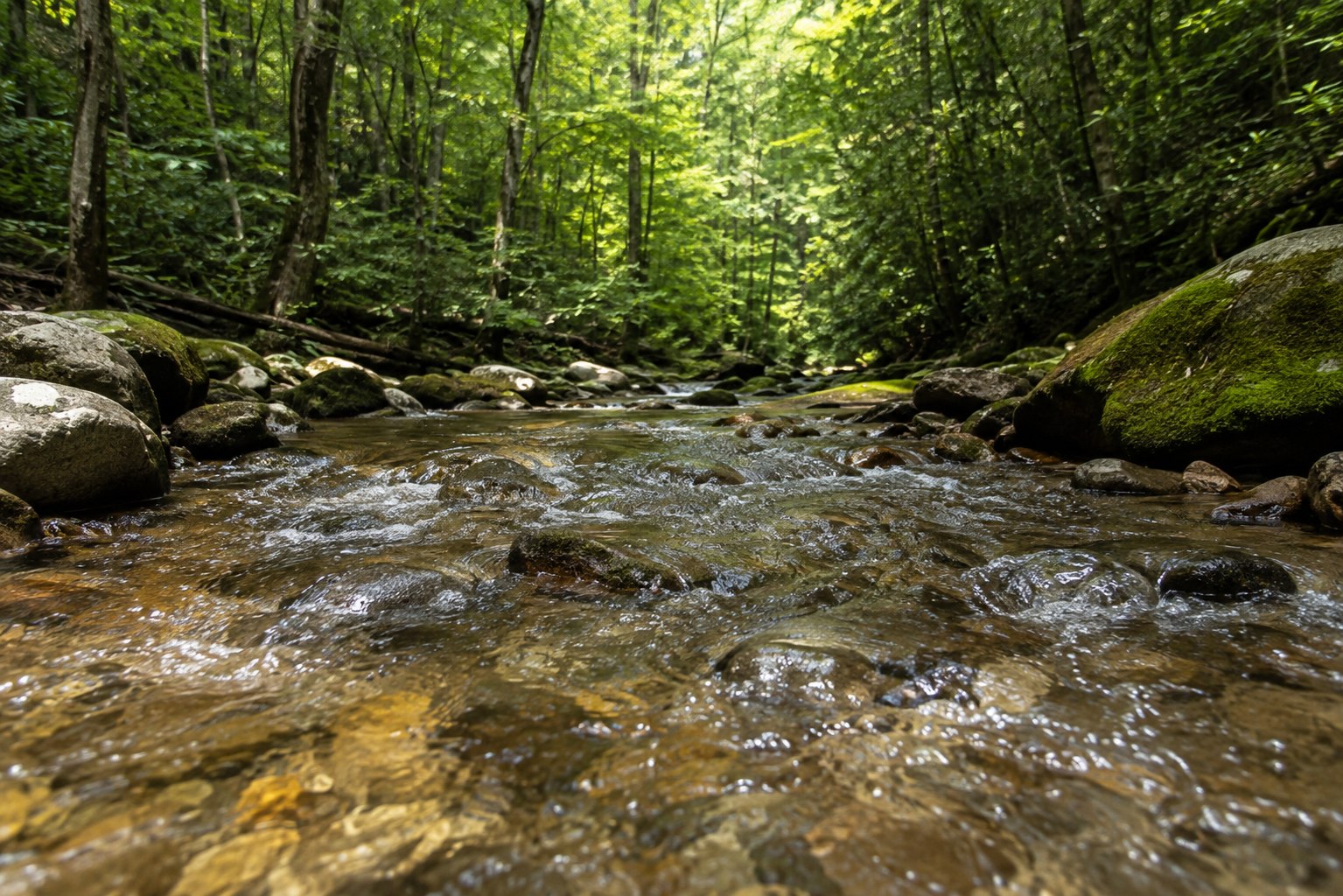
Freshwater biomonitoring

The scalability, throughput, and cost-effectiveness of eDNA tools make them highly attractive for biomonitoring.

qPCR and DNA metabarcoding have been used to monitor target taxa such bioindicator assemblages like Ephemeroptera, Plecoptera, and Trichoptera (the EPT taxa), and whole communities. Environmental DNA from water, sediment, and stream-bottom macroinvertebrates can be targeted independently or as part of broader surveys.

Multi-marker metabarcoding can also assess major components of biological communities, including bacteria, fungi, and diatoms, that have been challenging to assess using traditional methods. eDNA methods have been benchmarked against conventional methods and are beginning to be incorporated into governmental monitoring programs in Europe, Canada, New Zealand, and elsewhere.

Marine biomonitoring

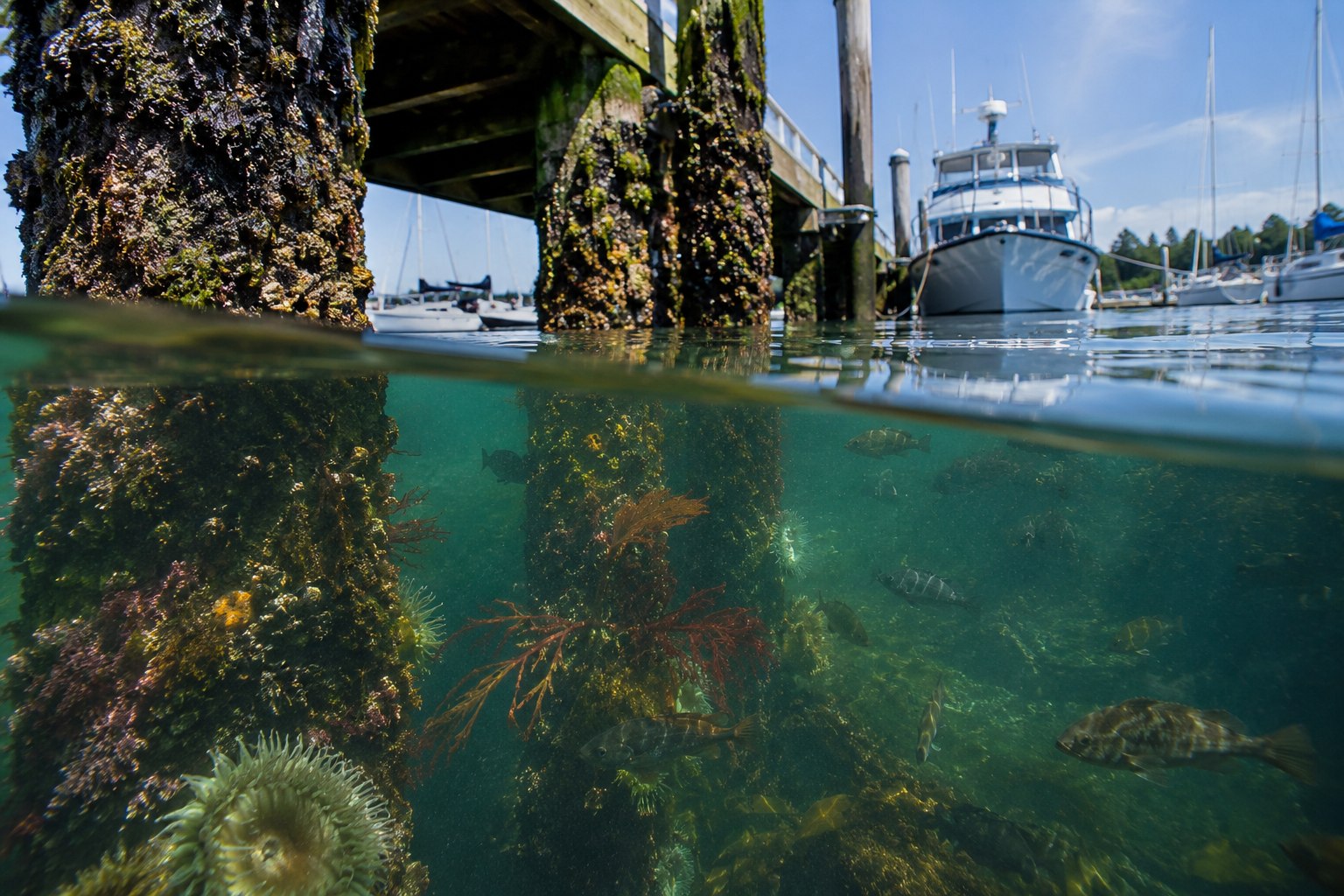
Marine biomonitoring

DNA-based methods have a long history of use for detecting organisms in seawater, beginning with tools such as DNA fingerprinting and microarrays.

Today, innovative sampling methods such as automated collectors combine with both targeted and community-level eDNA approaches to survey marine life from bacteria to whales. These data can contribute to assessments of environmental status, such as those mandated under the EU Marine Strategy Framework Directive.

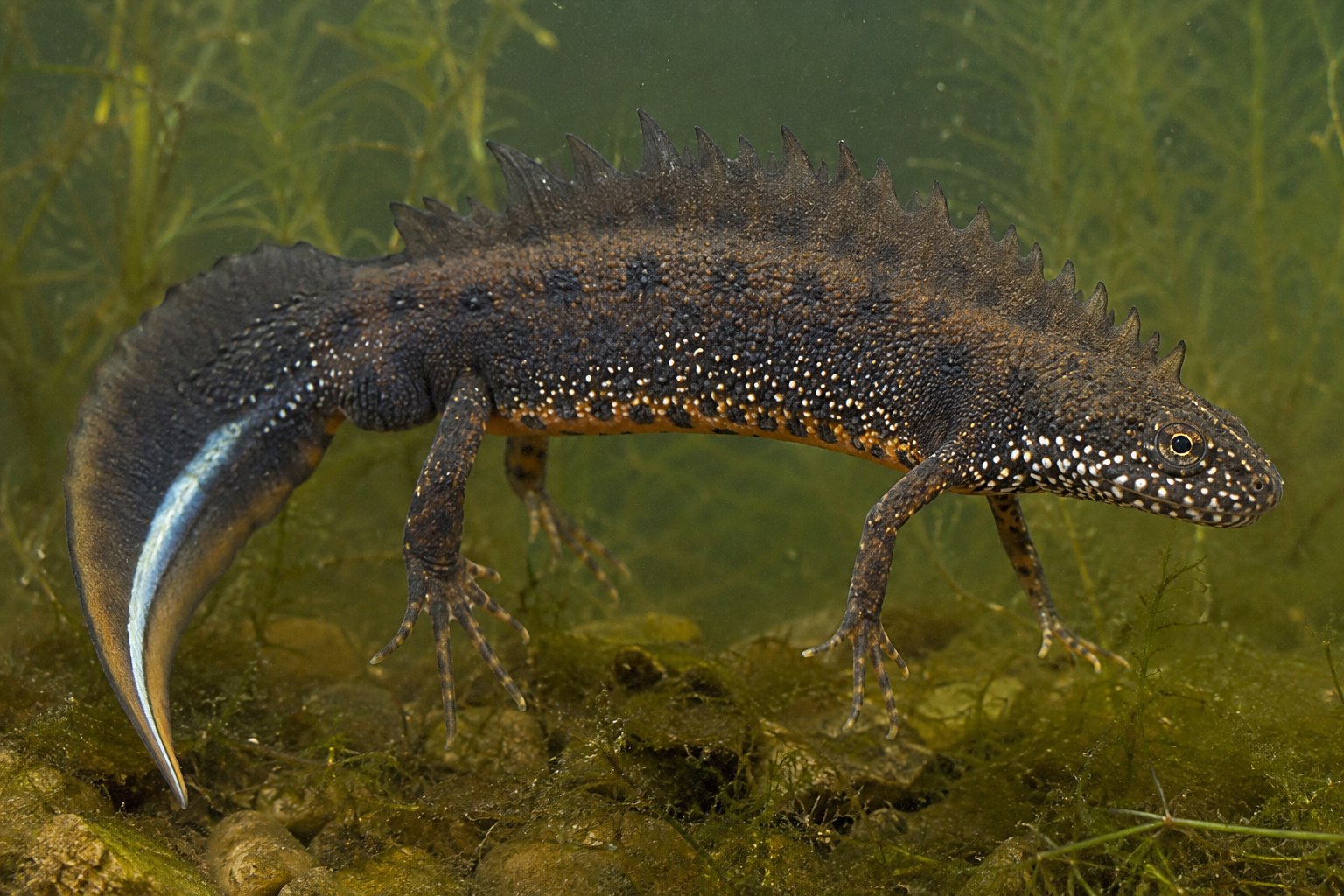
Great crested newt underwater

Endangered species

As in invasive-species studies, qPCR and DNA metabarcoding can screen for endangered species or identify them within broader community surveys.

One of the very first eDNA methodological standards developed for application in a regulatory context was for the detection of the great crested newt, a strictly protected native species in the UK.

eDNA evidence has now been used in other regulatory contexts, for instance under the US Endangered Species Act, where eDNA evidence has been found admissible in court to defend listing decisions.

Ecological studies

Ecological studies

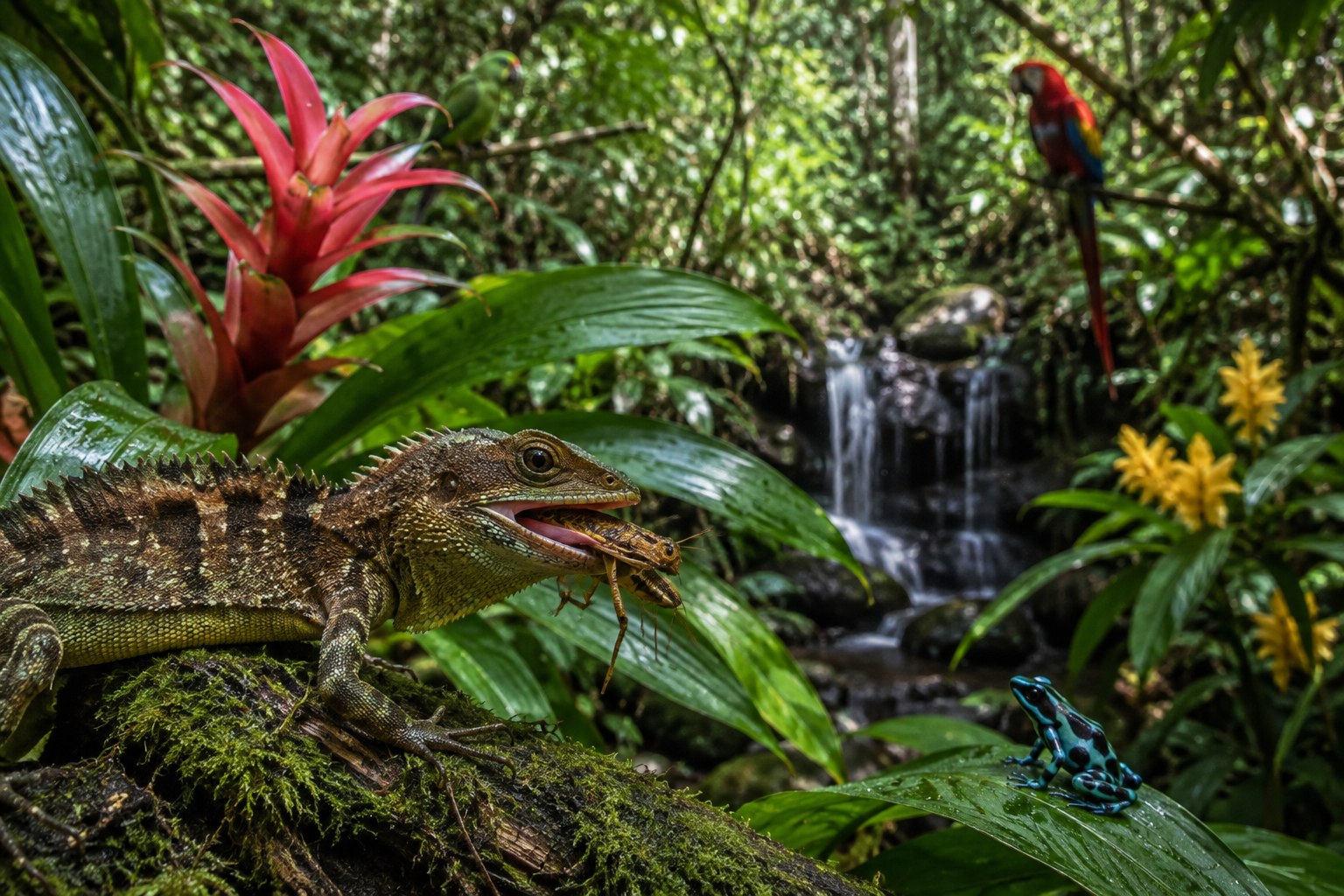
Single- or multi-marker DNA metabarcoding methods can survey a broad range of target communities and support studies of food webs, diet, and trophic interactions.

eDNA tools are well suited to studying plant-insect interactions, including trace DNA left by pollinators on plant surfaces.

For studies spanning diverse taxa from microbes to charismatic macrofauna, automated tools may struggle to map functional information—such as resource-consumer relationships, feeding strategies, and ecological guilds—to all taxa because databases remain incomplete. This is an active research area, and both taxonomic and functional databases continue to grow.

Remediation and restoration monitoring

Remediation and restoration monitoring

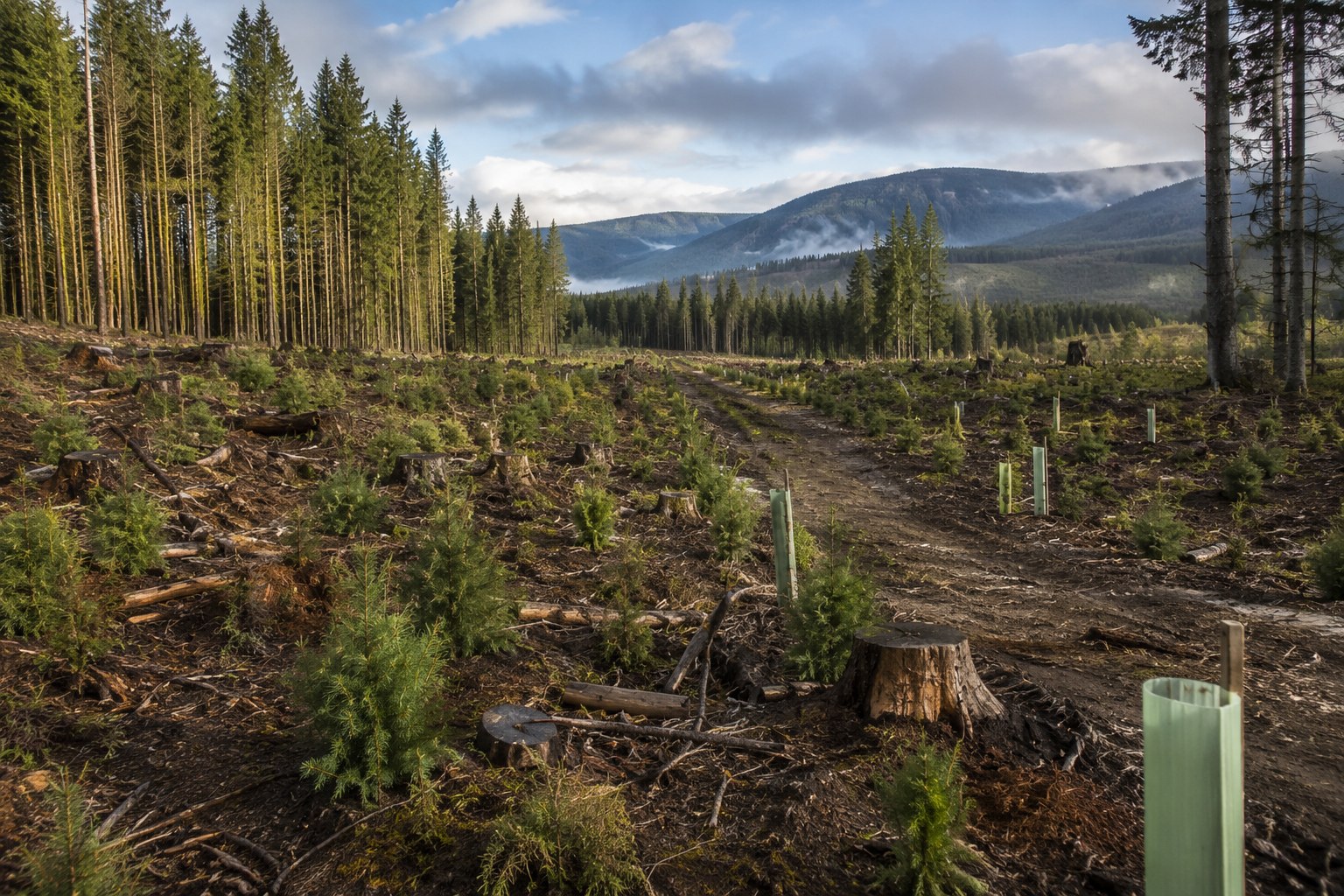
Because many eDNA tools are non-invasive, both qPCR assays for bioindicator species and whole-community surveys using DNA metabarcoding are widely used in restoration contexts where ecological sensitivity is a concern. They are often combined with conventional biological surveys, physical and chemical measurements of water or soil, and landscape variables.

Fisheries and aquaculture monitoring

Fisheries and aquaculture

Numerous eDNA tools are available for monitoring commercially important target species through validated qPCR assays and whole communities through DNA metabarcoding.

Substantial effort has gone into validating the use of sequence-read data to estimate the abundance or relative abundance of target fish. Reference sequence databases, including whole mitochondrial genome sequences, have also received significant attention to support multi-marker fish taxonomic assignments.

These advances have led to the adoption of eDNA methods, in conjunction with other available tools, in fish stock assessments by regulatory agencies. In the US, for instance, newly proposed legislation would direct NOAA to further develop eDNA for inclusion as standard methods in future stock assessment.

From application to standard

See where formal standards work is advancing

iESTF working groups connect these applications with practical guidance and international standards development.